What Are the Most Important Campus Dining Sustainability Metrics?
As campus dining evolves, sustainability must be measured by more than recycling and waste diversion. The most effective programs track outcomes that reflect environmental impact, operational performance, and student adoption. The six metrics every campus should consider are:
- Single-use containers prevented: Measure how many disposable containers your campus no longer purchases or uses.
- Plastic eliminated from food contact: Track progress toward reducing plastic and plastic-lined foodware in everyday dining.
- Retail reuse participation: Monitor adoption of reusable containers in cafés, markets, grab-and-go, and mobile ordering.
- Operational simplicity: Evaluate how easily reuse integrates into dining operations, including staff workflows and inventory management.
- Cost predictability: Measure long-term reductions in disposable packaging purchases and exposure to supply chain and pricing volatility.
- Student adoption: Track participation, repeat use, return rates, and overall engagement with reuse programs.
For years, campus dining sustainability was measured with familiar metrics.
How much did we recycle? How much did we compost? How much waste did we divert from landfills?
Those numbers still matter. But they all measure the same thing: what happened after waste was created.
Campus dining has changed. Mobile ordering, grab-and-go, cafés, convenience markets, and retail foodservice have transformed how students eat and dramatically increased the amount of single-use packaging moving through campus every day. The question for 2026 is no longer simply how to manage that waste. It’s how to prevent it from being created in the first place.
Here are the metrics we believe campuses should be tracking.
Single-Use Containers Prevented
The most meaningful sustainability metric isn’t how many containers were recycled. It’s how many were never needed.
Every disposable container avoided represents one less item manufactured, transported, purchased, and discarded. Preventing single-use packaging at the source delivers a much greater environmental benefit than managing it after use.
Ask yourself:
- How many single-use containers has your campus eliminated?
- Which dining locations generate the most disposable packaging?
- Where is the greatest opportunity to replace single-use with reuse?
Plastic Eliminated from Food Contact
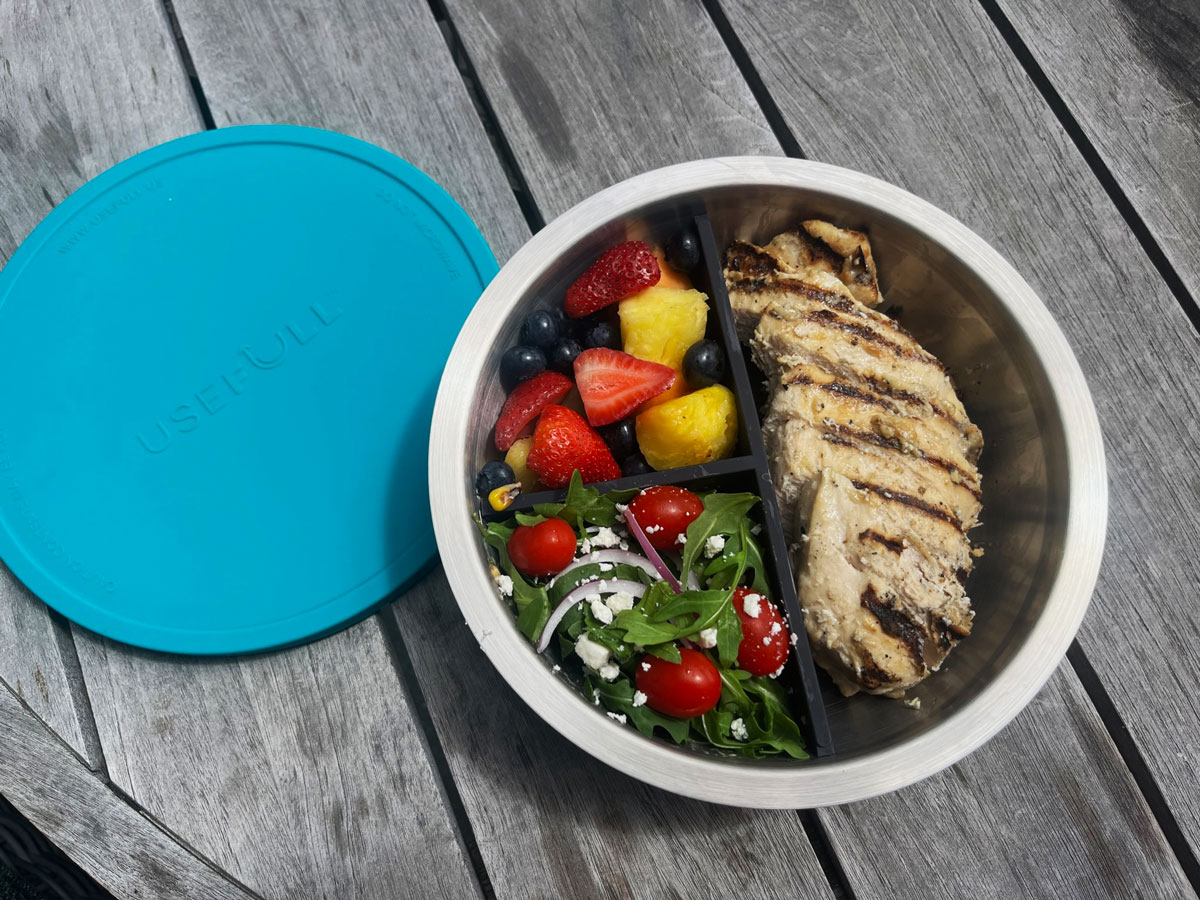
Sustainability is no longer just an environmental conversation. It’s equally important as a health conversation.
Research around microplastics and PFAS has changed how many students, parents, and institutions think about the materials that come into contact with food. Increasingly, campus dining leaders are asking not only, “Is this sustainable?” but also, “Is this the healthiest choice for our students?”
Tracking how much plastic has been removed from everyday dining may become just as important as tracking waste diversion.
Retail Dining Participation
Today’s students eat differently than they did five years ago. Retail cafés, markets, coffee shops, and mobile ordering have become central to campus dining. That also makes retail one of the largest generators of disposable packaging.
Instead of measuring sustainability only in residential dining, campuses should ask:
- What percentage of retail takeout uses reusable containers?
- How many students actively participate?
- How often are containers checked out and returned?
Participation tells a much richer story than waste alone.
Operational Simplicity
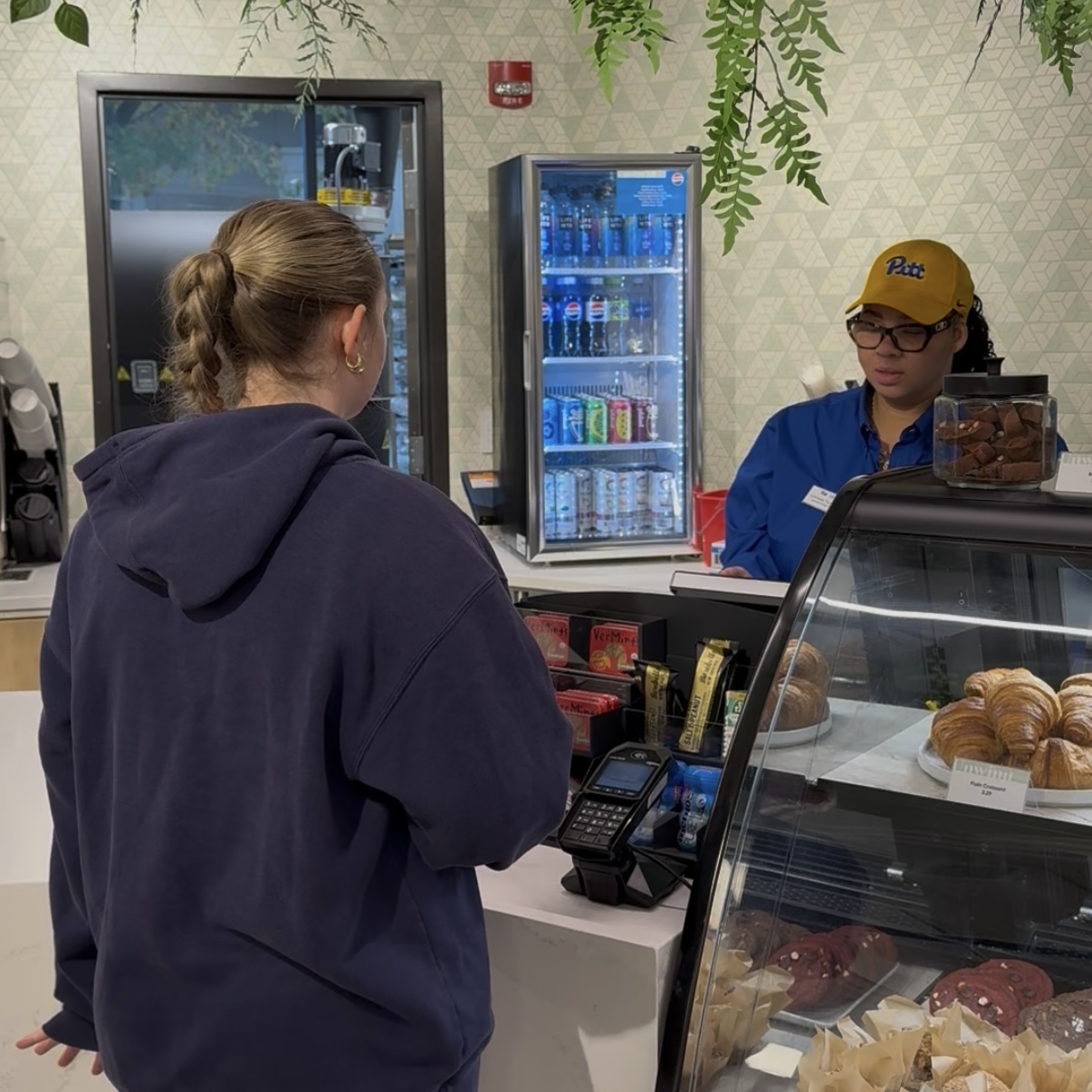
A sustainability program only succeeds if people actually use it. That means measuring operational performance alongside environmental impact. Consider questions like:
- Does the program fit naturally into existing dining workflows?
- How much staff time does it require?
- Are returns simple and convenient?
- Can operators easily track inventory and performance?
The easier a system is to operate, the more likely it is to succeed over the long term.
Cost Predictability
Packaging costs have become increasingly volatile. Tariffs, supply chain disruptions, and inflation have made disposable food packaging more expensive and less predictable. For many campuses, sustainability decisions are now financial decisions as well.
Tracking annual packaging spend, purchasing trends, and long-term cost stability provides another important measure of sustainability. A program that reduces environmental impact while creating greater budget certainty delivers value far beyond waste reduction.
Student Adoption
Perhaps the most important metric isn’t environmental at all. It’s participation. A reuse program only creates impact when students choose it repeatedly.
Measure:
- Student participation rates
- Repeat usage
- Return rates
- Student satisfaction
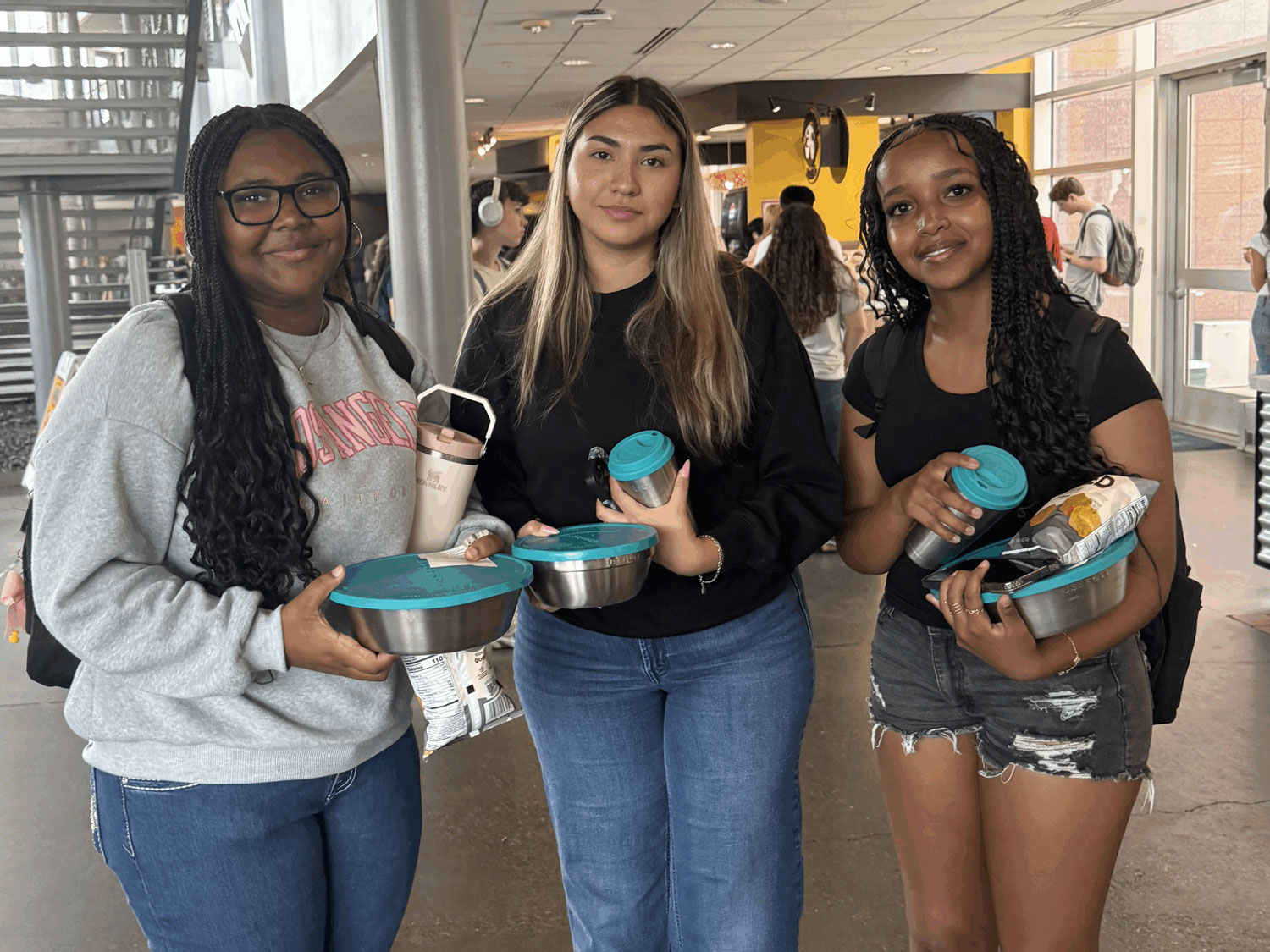
When reuse becomes part of everyday campus life, sustainability moves beyond awareness campaigns and becomes a habit.
Measuring What Matters
Campus dining is entering a new chapter.
Retail dining continues to grow. Students are asking more questions about health, plastics, and sustainability. Universities are placing greater emphasis on Scope 3 emissions and operational climate action.
The campuses leading sustainability in 2026 won’t simply be the ones recycling the most. They’ll be the ones preventing waste before it’s created. The future of campus dining isn’t measured by what ends up in the recycling bin. It’s measured by what never becomes waste in the first place.