For campuses that have implemented a smart reusable takeout program, the benefits are—for the most part—obvious.
For instance, at USEFULL, our reuse solution consistently delivers:
✓ Substantial cost savings by eliminating single-use containers
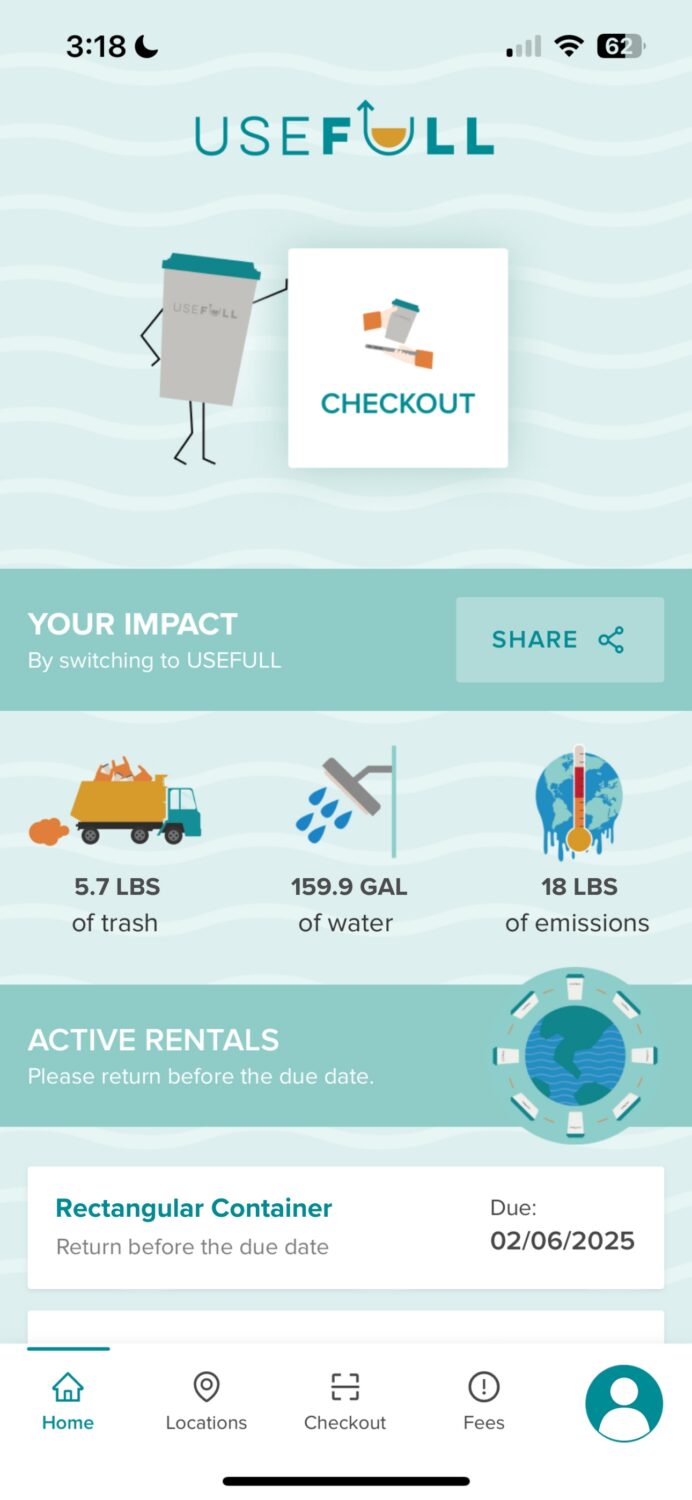
✓ Measurable sustainability gains through reductions in waste, water, and emissions
✓ Peace of mind with a 100% plastic-free solution, prioritizing student & staff health
✓ Advanced technology that encourages reuse behavior and integrates easily with campus systems
And while those may be the primary drivers for implementing reuse on campus, many of our partners have discovered secondary benefits they didn’t anticipate. These value-adds extend USEFULL’s core promise and help solve other operational challenges campuses face. Here are the three unexpected benefits our partner schools report:
1. Food Waste Decreases When Takeout is Paired with Accountability
College students live busy, on-the-go lives, so it’s important that their dining options be flexible. But without a layer of accountability, takeout waste tends to stack up. And this waste isn’t limited to packaging; it extends to food as well.
It’s not uncommon for students to leave dining halls with multiple disposable containers packed with food “just in case” that may or may not be eaten.
Enter USEFULL’s tech-driven reusable takeout solution. Our partner schools find that students become more thoughtful about how much food they take, because it now must fit within their selected USEFULL container.
Whether it’s a cup, bowl, or sandwich container, each item is checked out—similar to a library book—then checked back in when returned. The process requires more intentional behavior, and schools frequently see a noticeable decrease in food waste and corresponding food costs after making the transition.
2. Controlling for Allergen-Free Food Prep Gets Simpler
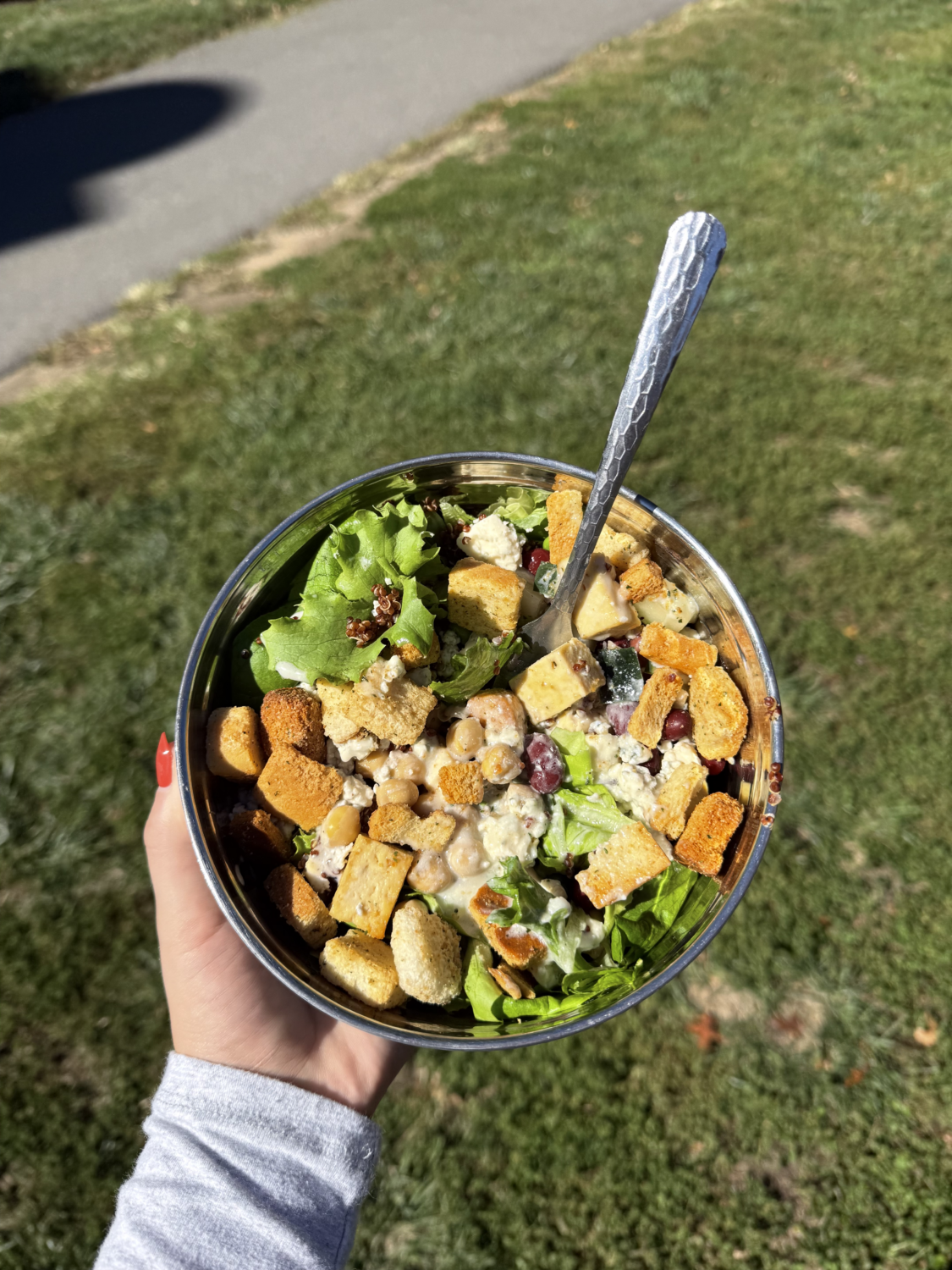
Our reusable takeout program lends itself to another common problem—it can help simplify the way campuses accommodate dietary restrictions. Both retail and residential dining teams can use dedicated containers to safely (and separately) prepare and distribute meals for students with allergies, religious dietary requirements, or other specialized diets, reducing the risk of cross-contact and mix-ups during busy service periods.
Because containers are durable, clearly identifiable, and part of a controlled checkout system, they help create a more reliable process from preparation to pickup. The result is a dining experience that’s not only more sustainable, but also safer, more organized, and more inclusive for students with specialized dietary needs.
3. Food Safety Precautions Give Dining Teams Peace of Mind
When students take food to-go, it’s frequently because they’re too busy to eat it right away. Increasing the time from preparation to consumption creates two scenarios that can put student health at risk:
- They eat food that’s been at an unsafe temperature for too long and may carry foodborne illness
- They reheat food in a plastic container using a microwave, which releases harmful microplastics into their food
- Or worse… both
USEFULL’s double-walled stainless steel containers offer thermal insulation that helps keep hot food hot and cold food cold for up to 5 hours. Students can safely eat their food at the proper temperature at mealtime, even if mealtime isn’t immediately after pickup.
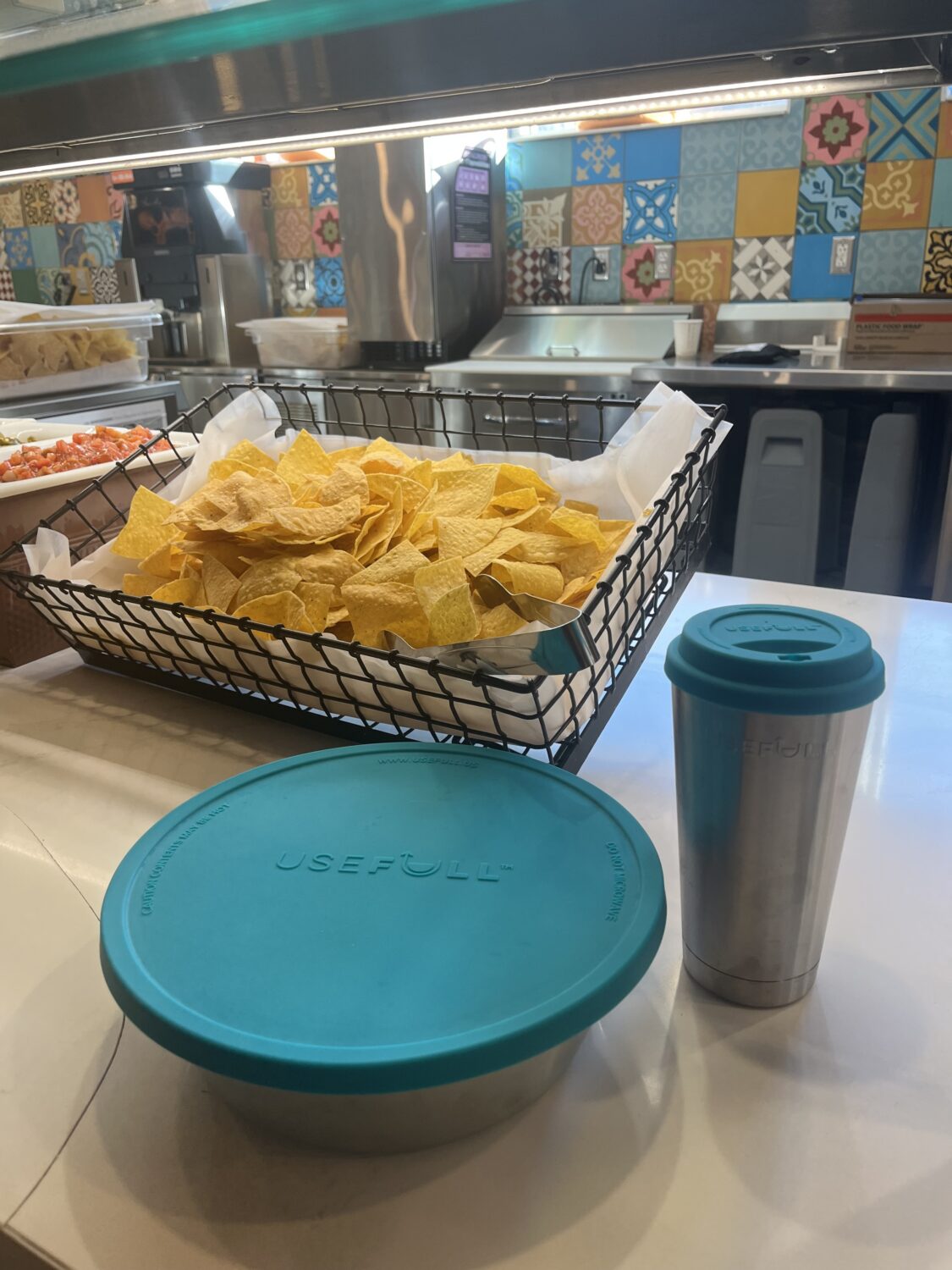
This is a huge plus for Montana State University (MSU), among many other schools. Kara Landolfi, Supply Chain Manager for Culinary Services at MSU, noted their staff could breathe easier once USEFULL was around. “Thermal insulation maintaining food temperature for a longer period than a piece of cardboard or plastic was icing on the cake. It made our staff more at ease that the food leaving our dining halls would be less likely to make students sick if not eaten right away.”
When you combine these extras with USEFULL’s core advantages—eliminating single-use packaging, protecting student health, and saving campuses money— it’s easy to see why schools are making the switch.
The only complaint we regularly hear from our partner schools? They wish they had implemented reuse sooner.
Interested in bringing USEFULL to your college campus? Get in touch.